
cold room unit selection
We supply and service refrigeration and cold-room equipment from leading brands, including BITZER, GEA BOCK, Copeland, Carrier, Tecumseh, Danfoss, Dorin, and Riva Cool (Italy), among others.
Cold room units & service
- Danfoss
- Embrace
- Hubbard
Condensing units, evaporators & heat exchangers
- Carrier
- York
- Güntner
- LU-VE / Alfa LU-VE
- Güntner evaporators
Refrigerants & accessories
- Freon
- Hauser
- Ks-rush
- Levin
- Scott
Cold room doors & fittings
- Carol
- Danfoss
- Deli well
The effectiveness of a cold room unit directly impacts product quality, operational efficiency, and overall cost management. When selecting a cold room unit, it’s important to evaluate the application, the environment it will operate in, and the long-term operating requirements—not just the upfront price.
Start with the required storage temperature and tolerance. Different products demand different setpoints and stability. Frozen storage may require temperatures around -20°F, while chilled goods often sit near 32°F. Choose a system that can hold the target temperature consistently during door openings, peak loading, and defrost cycles, and confirm it can recover quickly after temperature disturbances.
Assess the expected heat load. Unit capacity must match the total heat entering the room, including product load (warm product being brought in), infiltration from door openings, lighting, people, equipment, and heat gain through walls, floors, and ceilings. Undersizing leads to temperature swings and compressor strain; oversizing can cause short cycling, higher wear, and poor humidity control.
Consider room size, insulation, and air distribution. The evaporator and airflow pattern should provide even temperature throughout the space without creating hot spots or excessive dehydration of products. Proper insulation thickness, vapor barriers, and tight door seals reduce load and improve stability. For sensitive items, prioritize gentle, uniform airflow and appropriate humidity control.
Match the unit to the operating environment. Ambient temperature, ventilation around the condenser, and installation location (indoor vs. outdoor) affect performance. In hot or poorly ventilated areas, a unit may need additional capacity or better heat rejection. If the site is dusty, corrosive, or coastal, select suitable coil coatings and components rated for those conditions.
Choose the right refrigerant and efficiency features. Evaluate energy efficiency ratings, variable-speed options, electronically commutated (EC) fans, floating head pressure controls, and smart defrost strategies. Efficient systems reduce operating costs and can improve temperature stability. Also confirm refrigerant availability, regulatory compliance, and serviceability in your region.
Plan for defrost and drainage. Freezer applications typically require defrost (electric, hot gas, or off-cycle depending on the design). The defrost method should align with usage patterns and humidity levels. Ensure proper drain line routing and heat tracing where needed to prevent ice buildup and downtime.
Prioritize controls, monitoring, and alarms. Reliable thermostats, data logging, and remote monitoring help protect inventory and support compliance. Look for clear fault diagnostics, high/low temperature alarms, door-ajar alerts, and battery-backed settings to reduce risk during power interruptions.
Evaluate reliability, maintenance access, and support. Select a unit with readily available parts, accessible service panels, and a strong local service network. Routine maintenance—coil cleaning, fan inspection, refrigerant checks, and calibration—should be straightforward to keep performance consistent over time.
Account for total cost of ownership. Beyond purchase price, consider energy consumption, maintenance frequency, expected lifespan, and potential product loss from temperature excursions. A properly sized, efficient, and well-supported cold room unit typically delivers the best long-term value.
By aligning temperature requirements, load calculations, air distribution, environmental conditions, and control features, you can select a cold room unit that protects product quality while improving efficiency and reducing overall operating costs.
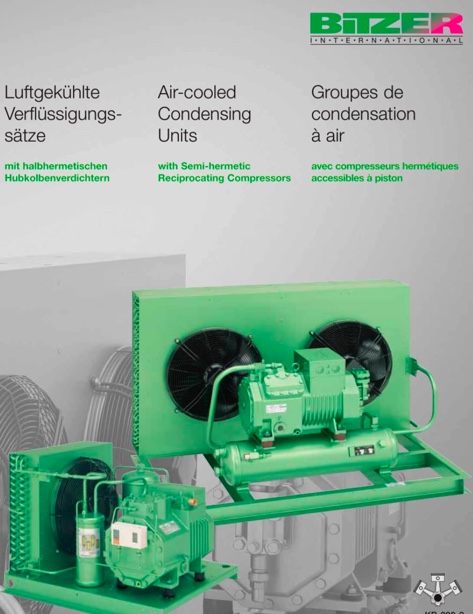 Bitzer
 zanoti / daikan
 Copeland